Quick Answer: Yes, good wooden toys can be worth the money when they are durable, age-appropriate, and versatile enough to stay in regular play for years. But wood alone does not make a toy worth a premium price, and a cheaper toy your child uses constantly can offer much better value than an expensive wooden one left on the shelf.
The Price Tag Does Not Tell You the Real Cost
I used to think about toy value mostly at checkout. A $50 wooden toy felt expensive next to something colorful and plastic for $15.
After raising two children, I find it more useful to think about how much play that money actually buys.
Imagine that the $15 toy is exciting for two weeks and then disappears into the bottom of the toy box. Now imagine the $50 set gets used several times a week for three years, then goes to a younger sibling.
The second toy cost more, but it may have cost much less for each hour or session of play.
This idea is sometimes called cost per play. It does not need an exact calculation to be useful. You are simply asking whether your child is likely to keep returning to the toy often enough, and for long enough, to justify what you paid.
For me, that is a much better measure of value than wood versus plastic.
Why Are Wooden Toys So Expensive?
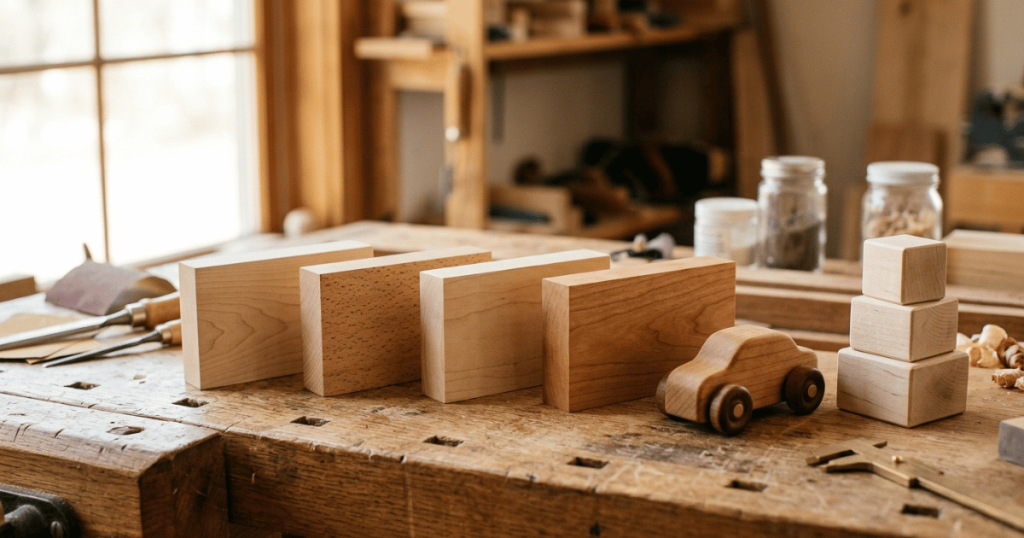
Wooden toys often cost more because making them can involve relatively expensive materials and several finishing steps.
Wood has to be cut and shaped. Edges and surfaces need careful finishing, and painted or coated pieces need appropriate finishes. More complicated toys can also involve multiple fitted components and additional assembly.
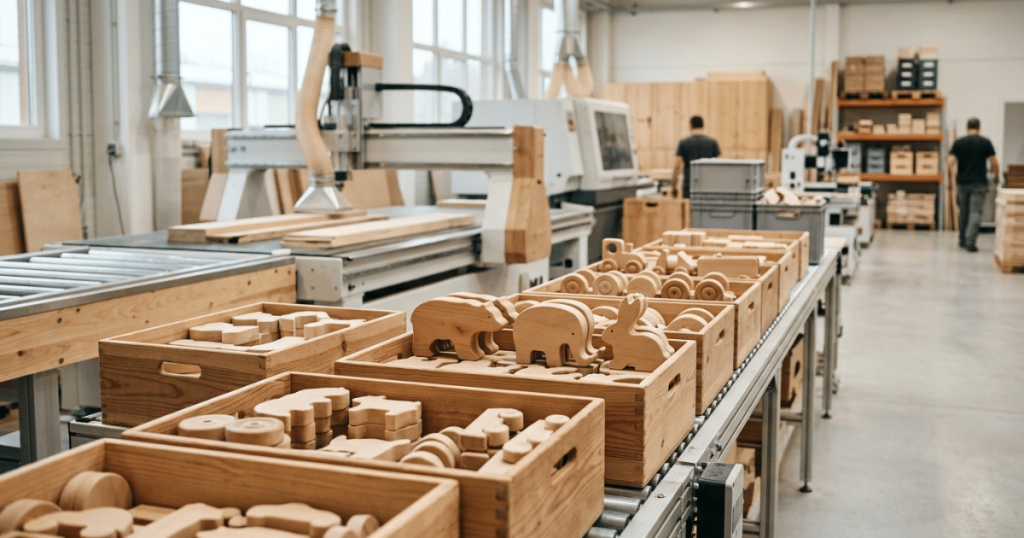
Quality hardwood itself can add to the cost. Safety testing, responsible material sourcing, smaller production volumes, and manufacturing standards can push prices higher as well.
But there is another part of the price parents should remember: branding.
A beautiful wooden rainbow or stacker can carry a substantial premium because of the company behind it, its design, where it is manufactured, or how it is marketed. A high price therefore does not prove that the toy will be more useful to your child.
Wooden has become a visual shorthand for “premium” in some parts of the toy market, and I would never pay extra for that appearance alone.
When Wooden Toys Really Can Be Worth It
The easiest purchases for me to justify are wooden toys that can do more than one job.
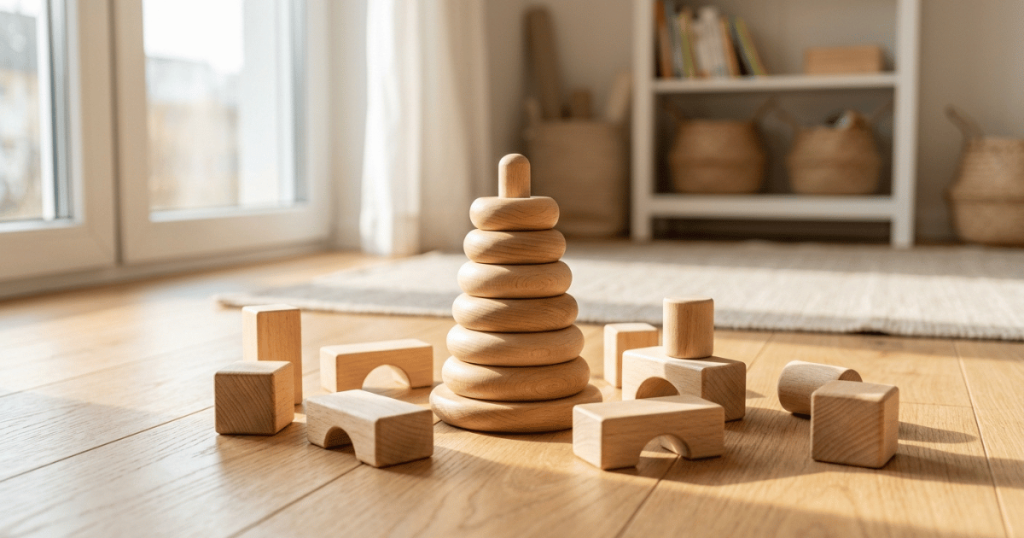
Blocks are a good example. A toddler may simply stack two or three pieces, while an older child can turn the same collection into houses, roads, towers, pretend food, or scenery for another game.
That flexibility is open-ended play.
Instead of having one correct function, the toy leaves more decisions to the child. This can keep a simple set relevant as interests and abilities change.
Durability adds another layer of value.
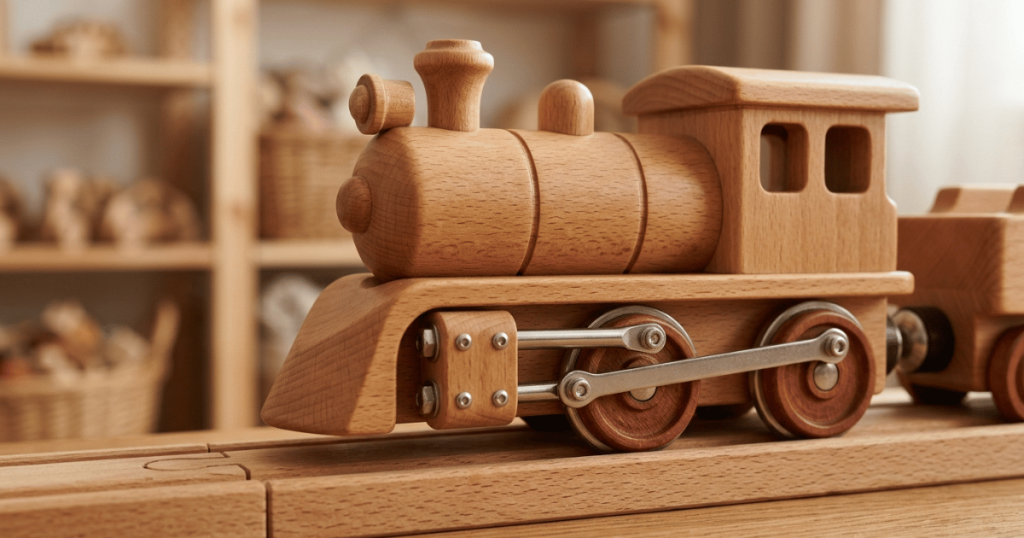
A well-made wooden train track, set of blocks, or sturdy pretend-play piece may survive repeated drops and years of handling. If it eventually passes to another child, the original purchase stretches even further.
When my daughter was five, a small set of wooden blocks regularly became a zoo enclosure for her plastic animals. Years later, my son used some of those same blocks to build a garage with a crooked ramp for his little cars.
That is the kind of reuse that makes a higher price easier for me to accept.
When Wooden Toys Are Not Worth the Extra Money
Some wooden toys are beautiful but surprisingly limited.
If a toy does one narrow activity that your child will master quickly, spending a large amount on the wooden version may not give you much extra value. The same applies when you are buying mainly because a toy looks lovely in a playroom.
Children do not care whether their shelves look coordinated.
There is also no rule saying that a plastic toy cannot be durable, educational, or open-ended. Parent discussions about expensive wooden toys regularly include families whose long-lasting plastic construction sets, figures, or other toys have remained in use for years.
I would rather have one inexpensive toy my child genuinely loves than a premium wooden toy purchased because I thought I was supposed to prefer it.
The material should support the play, not become the reason for the purchase.
How Much Should You Spend on Wooden Toys?
There is no ideal dollar amount because family budgets vary enormously.
Instead of setting a special “wooden toy budget,” I would decide what you are comfortable spending on toys overall. Then put more of that money toward things likely to get long-term use.
Before spending more, I ask myself a few simple questions:
- Can my child use this in several ways?
- Will it still make sense a year from now?
- Does it duplicate something we already own?
- Does the construction feel good enough to survive regular play?
- Am I paying for useful quality or mostly for the brand and appearance?
If I cannot see where a toy fits into actual play at home, a premium price becomes difficult to justify.
I also spend differently depending on the type of toy. I am more comfortable putting extra money into versatile building pieces or a railway system than into a very age-specific activity a child may quickly master.
That distinction can keep a toy budget under control without requiring every purchase to be cheap.
You Do Not Need a Playroom Full of Premium Wooden Toys
Social media can make it seem as though good parenting requires shelves filled with matching wooden rainbows, peg people, elaborate play kitchens, and carefully arranged Montessori-style materials.
It does not.
A small collection of toys that your child actually uses is more valuable than a room full of expensive pieces.
This matters especially when you are on a budget. You can combine wooden toys with books, art supplies, plastic construction toys, household objects, outdoor play, and anything else that safely holds your child’s interest.
You also do not have to buy an entire wooden system at once.
When my son was three, I made the mistake of buying several puzzle-style activities close together because he had enjoyed one animal puzzle. The first stayed in regular use, while two of the others barely left the shelf, which was a useful reminder that liking one type of toy does not guarantee a child needs five versions of it.
Buy slowly enough to see what gets used.
Secondhand Can Change the Value Equation
Wooden toys can be particularly appealing secondhand because good ones often remain usable long after the first child has outgrown them.
That creates an opportunity for budget-conscious families.
A used block set, wooden railway, dollhouse, or pretend-play toy can sometimes provide the same basic play experience for considerably less than buying new. Some premium wooden toys also retain enough demand that owners later resell them, although you should never assume a particular resale price. Parent discussions frequently mention secondhand buying as a way to manage the high cost of premium wooden toys.
Condition matters more than the original price.
Before giving a secondhand wooden toy to a child, inspect it for splinters, cracks, loose pieces, damaged finishes, or missing components. Check that it remains appropriate for your child’s age.
An expensive bargain is not good value if the toy is no longer safe or usable.
What I Look for Before Paying More
I want to be able to see where the extra money went.
Smooth construction matters. Pieces should feel sturdy, and anything intended to move or fit together should work properly. For painted toys, I also want clear information from the manufacturer about materials, finishes, age guidance, and applicable safety requirements.
Then I think about play value.
Could this toy become part of other games? Can my child use it without me constantly setting it up? Is there enough challenge to keep it interesting without making it frustrating?
Finally, I consider what we already have.
A fantastic wooden toy can still be a waste of money when it duplicates three things sitting in the same toy box.
So, Are Wooden Toys Worth the Money?
Sometimes absolutely.
The wooden toys I consider best value are the ones that survive years of ordinary family life and keep finding new roles as children grow. Durability, open-ended design, and the possibility of reuse can make a higher upfront cost reasonable.
But I would never recommend stretching a family budget simply to buy wooden toys.
You do not need the most expensive version, and you certainly do not need every popular wooden toy. Buy for your child’s actual interests, choose quality where durability will matter, consider secondhand options, and judge value by how much real play the toy is likely to provide.
The best-value toy is usually the one that keeps coming back out of the toy box.
Frequently Asked Questions
Why are wooden toys more expensive?
Wooden toys can cost more because of the wood itself, manufacturing and finishing work, safety requirements, sourcing, and sometimes brand positioning. A higher price does not automatically mean better play value.
How much should I spend on wooden toys?
There is no amount that every family should spend. Set an overall toy budget you are comfortable with, then consider paying more for durable, versatile toys your child is likely to use for a long time rather than treating wooden toys as a separate must-have category.
Do wooden toys last longer than plastic toys?
Well-made wooden toys can last for many years, but material alone does not guarantee durability. High-quality plastic toys can also last a very long time, while poorly constructed wooden toys can crack, loosen, or wear out.
Are expensive wooden toys always better?
No. Expensive toys may use better materials or construction, but price can also reflect branding and design. Look at safety, construction, versatility, age appropriateness, and expected use before deciding whether the premium is worthwhile.
Is it okay to buy wooden toys secondhand?
Yes, secondhand can be a practical way to fit good wooden toys into a smaller budget. Inspect used toys carefully for cracks, splinters, loose parts, damaged finishes, and other wear before giving them to a child.